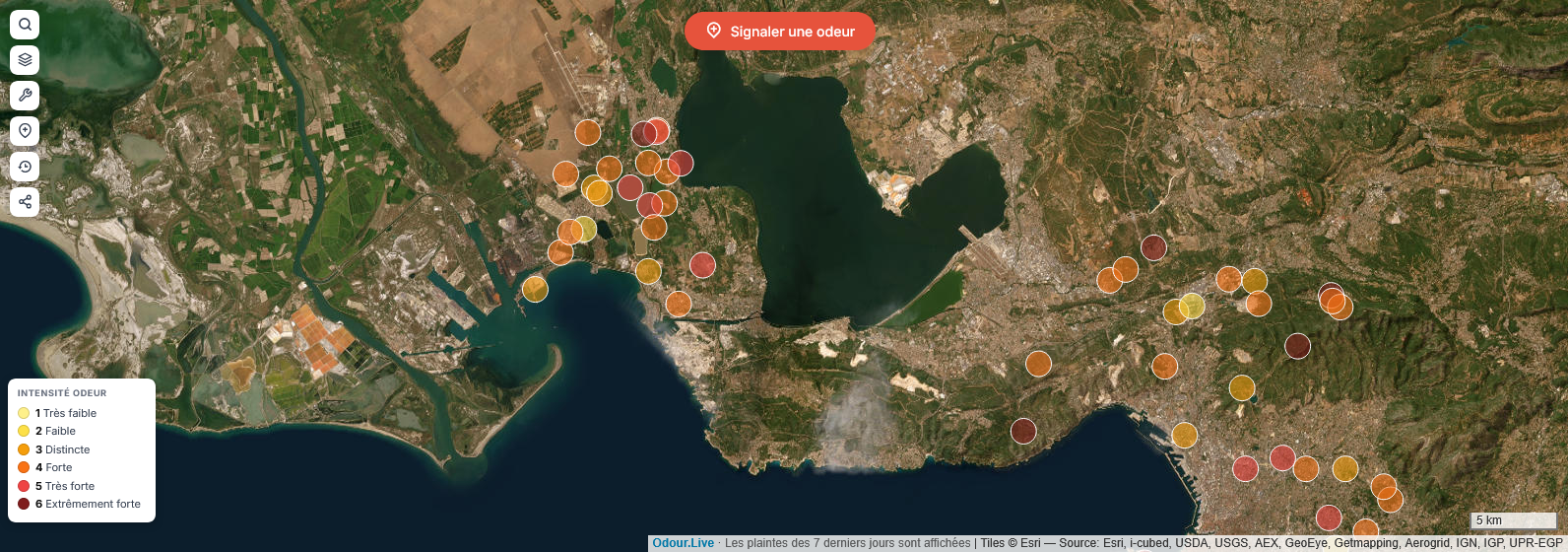
Frequently Asked Questions — Odour Nuisance
Understand, report, act: every answer about the odours around you.
Explore by topic
ICPE, odour threshold, ouE/m³, regional authorities: all the technical terms explained simply.
Learn more
The complete legal framework for odour nuisance in France: ICPE, thresholds, authorities, remedies.
Learn more
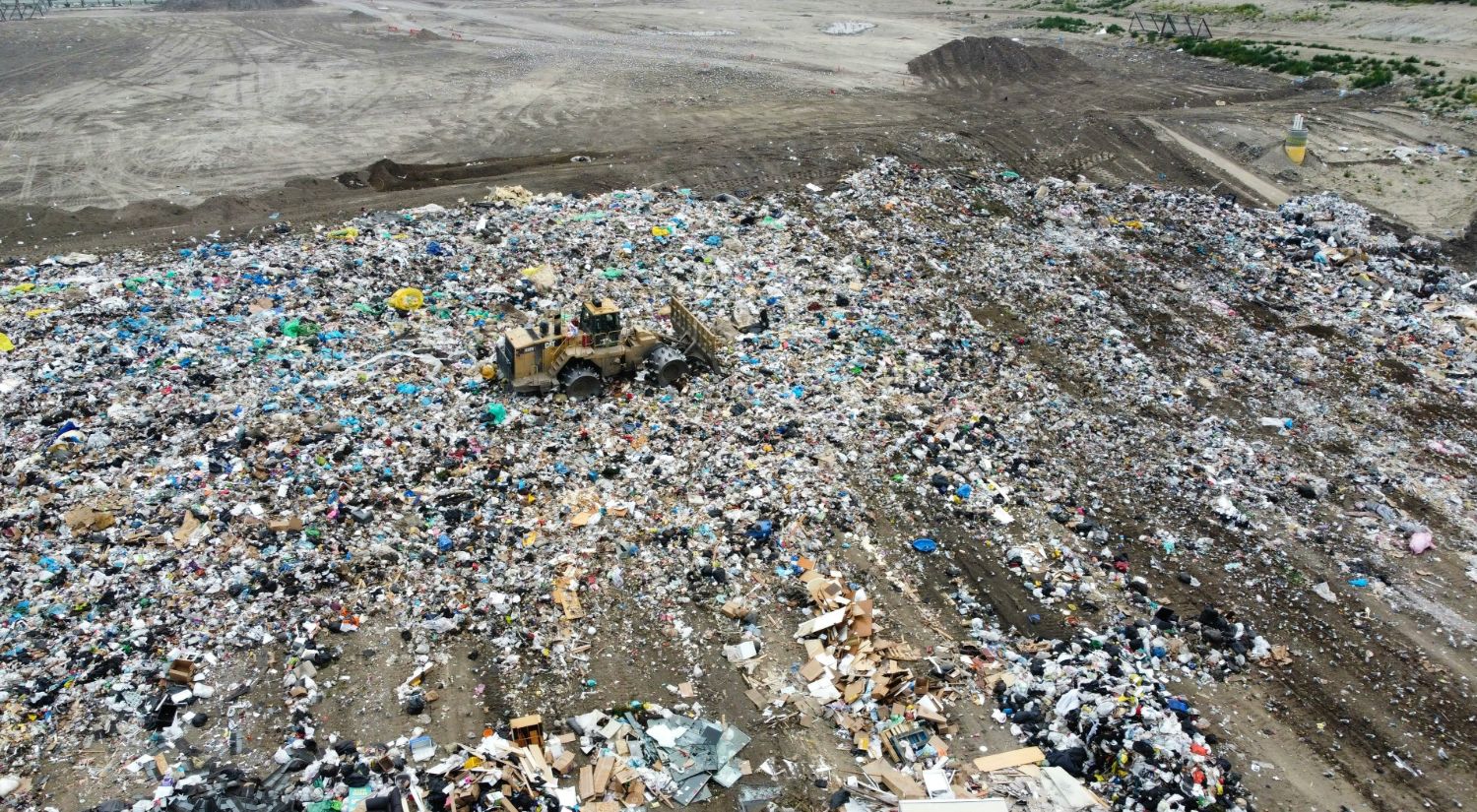
Waste centre, landfill, incinerator: causes of odours and available remedies.
Learn more
Slurry, manure, land spreading: legal framework and remedies for residents facing farm odours.
Learn more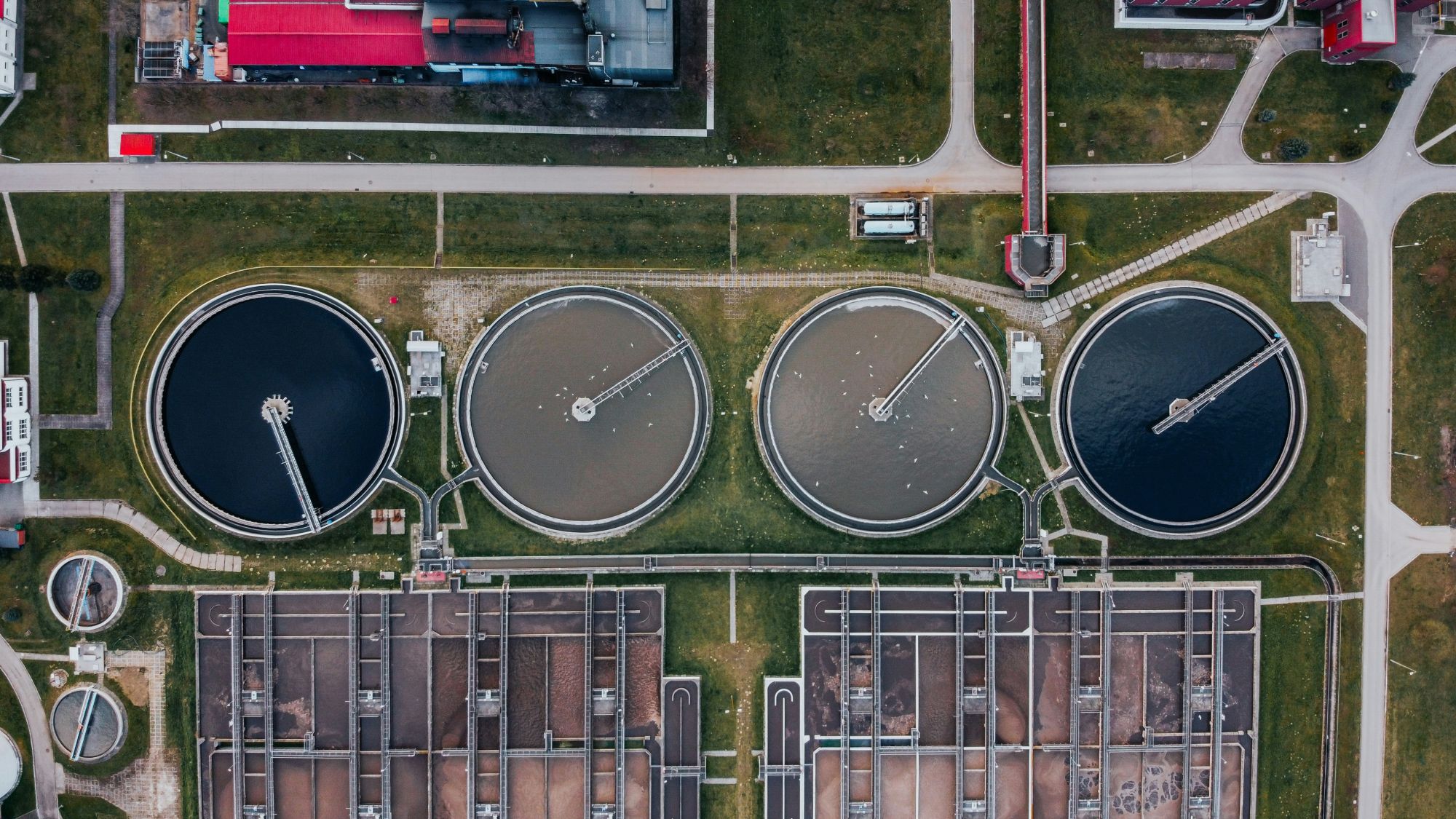
H2S, sewer networks: where wastewater treatment plant odours come from and what to do.
Learn moreFrequently asked questions
Every report counts. Even if the odour seems temporary or already known, your contribution helps us better understand the origin and mechanisms of olfactory nuisances. Reports allow us to identify areas and periods where odours are most frequent, correlate observed nuisances with weather conditions (wind, temperature, humidity, atmospheric stability, etc.), cross observations with industrial activities or processes in progress, detect unusual situations more quickly, and evaluate the effectiveness of corrective actions taken by operators. By reporting an odour, you directly contribute to improving quality of life in your area.
Your report is recorded in a secure database (server hosted in Switzerland and GDPR compliant) with information such as weather conditions (automatic extraction), geographic location (approximate: +/- 200m which is sufficient for analysing nuisances while respecting your privacy), and odour characteristics. This data can then be analysed and compared with activities likely to be the source of nuisances. Anonymous reporting is possible and reports remain visible for analysis. As a registered user, you can request the deletion of one or more of your reports or have them hidden (they remain accessible for analysis but no longer appear on public maps).
Yes. Particular weather situations favourable to odour accumulation or dispersion are essential for analysing these events. Weather data is automatically extracted from reliable sources (Météo France, etc.) at the date of the report. We record wind direction and speed, temperature, and humidity. These elements are then accessible when viewing the 'My reports' page.
No. The platform is a tool for observing and monitoring olfactory nuisances. It allows situations to be objectified, knowledge to be improved, and prevention or nuisance reduction actions to be facilitated. It does not replace existing administrative or regulatory procedures. However, from your member account, you can access your report history and letter templates to contact the competent authorities with factual information.